
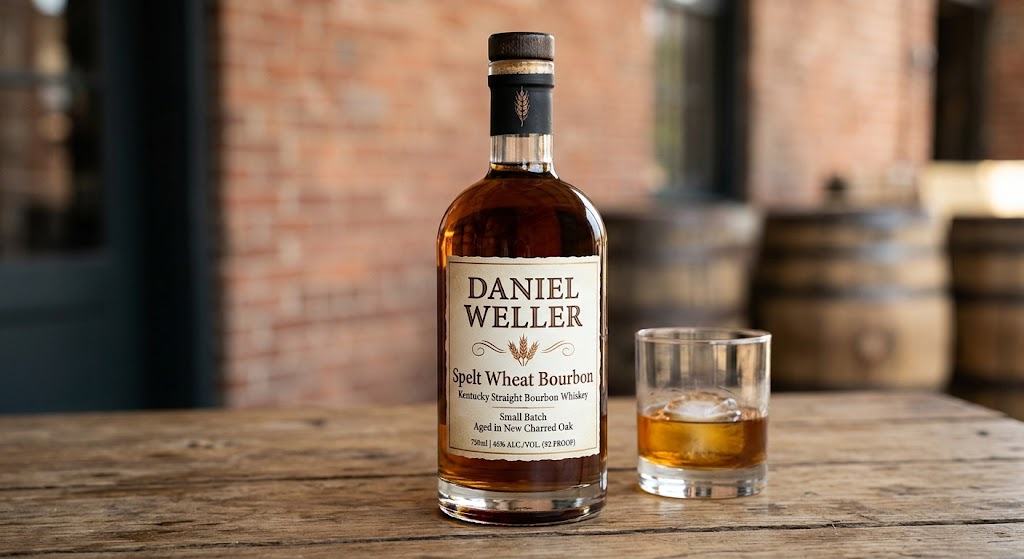
The world of American whiskey includes countless bourbon expressions but some releases stand apart because of their unusual ingredients, historical inspiration and limited availability. Daniel Weller Spelt Wheat Bourbon belongs to this category. Its use of spelt wheat makes it particularly interesting to bourbon enthusiasts who want to explore how alternative grains can influence the character of a whiskey style.
Bourbon is traditionally associated with corn, rye and malted barley. Wheated bourbon replaces much or all of the rye component with wheat generally creating a softer and rounder flavor profile. Spelt takes that concept in another direction. As a grain related to modern wheat spelt offers a distinctive ingredient story while remaining compatible with the broader traditions of American whiskey production.
For whiskey enthusiasts understanding Daniel Weller Spelt Wheat Bourbon involves more than examining its bottle. It means exploring the Weller name, bourbon production, spelt wheat, maturation, tasting characteristics and collecting appeal.
This guide explains what makes the expression notable and what bourbon drinkers should know before adding it to their whiskey collection.
What Is Daniel Weller Spelt Wheat Bourbon?
Daniel Weller Spelt Wheat Bourbon is a bourbon expression associated with the Weller whiskey legacy. Distinguished by the use of spelt wheat in its recipe.
The Weller name is strongly associated with wheated bourbon. The historical Weller tradition is commonly connected with the use of wheat of rye in a bourbon mash bill. This grain choice became a part of the styles identity and helped establish the reputation of Weller-branded bourbon.
The use of spelt is particularly interesting because it introduces a wheat variety into a modern American bourbon-making context.
Spelt has been cultivated for centuries. Is known for its nutty grain-forward characteristics. When used in whiskey production the grain can contribute another layer of complexity to the spirit.
However bourbons final flavor is never determined by the grain. Factors such as fermentation, distillation, barrel type, warehouse conditions, maturation length and blending all contribute to the whiskey.
Understanding the Weller Bourbon Legacy
To understand why a Daniel Weller release attracts attention it helps to understand the significance of the Weller name.
The Weller tradition is historically associated with wheated bourbon, a category in which wheat replaces rye as the grain.
Rye commonly contributes spicy, peppery and herbal notes to bourbon. Wheat tends to produce an impression allowing flavors such as vanilla, caramel, sweetness and oak to become more prominent.
The Weller name has become closely associated with bourbon drinkers seeking a softer wheated profile.
Daniel Weller Spelt Wheat Bourbon builds on that concept by highlighting spelt wheat rather than conventional wheat as a defining feature.
That makes the expression interesting not to collectors but also to people interested in the relationship between agricultural ingredients and whiskey flavor.
What Is Spelt Wheat?
Spelt is a grain belonging to the wheat family. It has been cultivated in Europe for thousands of years. Has become increasingly interesting to food producers and craft beverage makers.
Compared with bread wheat spelt is often described as having a distinctive nutty, earthy and mildly sweet character.
In whiskey production grain characteristics are influenced heavily by the production process. Fermentation transforms sugars into alcohol and other flavor compounds while distillation concentrates components. Barrel aging then adds another layer of flavor.
Therefore it would be inaccurate to assume that every characteristic of spelt will appear directly in the bourbon.
Instead the grain should be viewed as one element of a larger flavor system.
Why Use Spelt in Bourbon?
The choice to use spelt can provide interesting possibilities.
First it creates a connection between grain agriculture and modern whiskey experimentation.
Second spelt provides a starting material from conventional wheat. Although both belong to the wheat family their characteristics are not identical.
Third using a grain can create a distinctive identity for a whiskey release.
For consumers this makes a spelt-based bourbon especially appealing as a way to explore how changing one component of a mash bill can potentially influence the spirit.
How Bourbon Production Influences Flavor
A bourbons flavor develops through stages.
1. Grain Selection
The mash bill determines the grain composition. Corn provides the foundation required for bourbon while secondary grains such as wheat, rye or malted barley influence the spirits character.
In a spelt wheat bourbon the unusual wheat component is a part of the products identity.
2.. Mashing
The grains must be processed before fermentation. Milling makes the grain suitable for conversion and extraction.
During mashing enzymes help convert starches into sugars.
3. Fermentation
Yeast converts sugars into alcohol while creating numerous flavor compounds.
Fermentation conditions, yeast selection, temperature and duration can all influence the resulting distillate.
4. Distillation
Distillation concentrates alcohol. Separates desirable compounds from less desirable components.
The shape and design of the distillation method and distillers decisions can influence the spirits eventual character.
5. Barrel Aging
New charred oak barrels are central to bourbon production.
During maturation whiskey interacts with the oak. This process contributes bourbon characteristics such as vanilla, caramel, toasted oak, spice and baking notes.
Temperature changes also cause whiskey to move into and out of the wood helping develop its profile.
6. Bottling
After maturation the whiskey is prepared for bottling. Depending on the release factors such as proof, filtration and blending can affect the final presentation.
Daniel Weller Spelt Wheat Bourbon Flavor Profile
One of the reasons whiskey enthusiasts explore unusual bourbon releases is the opportunity to experience different flavor combinations.
A spelt wheat bourbon may offer a profile built around the characteristics of wheated bourbon while introducing additional grain-driven complexity.
Possible tasting characteristics can include:
- Vanilla
- Caramel
- Oak
- Toasted grain
- Baking spices
- Brown sugar
- Nutty grain notes
- Dried fruit
- Light sweetness
The precise sensory experience depends on the bottling and maturation.
A bourbon aged longer in oak for example can show developed wood and baking-spice characteristics while a younger expression may emphasize grain, sweetness and fresh oak.
Nose
On the nose a wheated bourbon can present aromas such as vanilla, caramel and light confectionery notes.
A spelt-based expression may also invite comparisons to toasted grain, nuts, cereal or baked goods.
The nose is particularly useful for identifying the relationship between the grain recipe and barrel influence.
Palate
The palate is where the bourbons balance becomes most apparent.
Sweet corn-derived bourbon characteristics can combine with vanilla and caramel from oak maturation. Wheat can contribute softness while the unusual spelt component may provide grain complexity.
Depending on the bottling drinkers may also notice oak, baking spice, dried fruit or toasted flavors.
Finish
A quality bourbon should develop than simply disappear after swallowing.
The finish may highlight lingering oak, vanilla, caramel, spice and warm grain notes.
Proof whiskey can often provide a longer and more intense finish although proof alone does not determine quality or complexity.
How to Taste Daniel Weller Spelt Wheat Bourbon
You do not need a setup to appreciate bourbon.
Start by pouring an amount into a suitable whiskey glass.
Step 1: Observe
Look at the color. Mature bourbon commonly develops shades ranging from amber to deeper copper or brown depending on maturation and other factors.
Step 2: Smell
Bring the glass toward your nose carefully. Take short gentle aromas rather than one large inhale.
Look for:
- Vanilla
- Caramel
- Oak
- Grain
- Fruit
- Spice
Step 3: Taste
Take a sip and allow the whiskey to move across your palate.
Pay attention to sweetness, texture, spice, oak and grain character.
Step 4: Add Water if Desired
A few drops of water can sometimes change the aroma and flavor perception of a proof whiskey.
This is optional and largely a matter of preference.
Step 5: Compare
For an educational tasting compare the spelt bourbon with another wheated bourbon.
This can help you notice how differences in grain proof, maturation and production affect the whiskey.
Why Collectors May Be
Limited or unusual whiskey expressions can attract collectors for several reasons.
The first is scarcity. When an expression is produced in limited quantities finding it at retail can become more difficult.
The second is brand significance. Releases connected to established bourbon traditions may attract enthusiasts who collect bottles associated with distilleries or whiskey families.
The third is ingredient experimentation.
A bourbon featuring a grain such, as spelt provides a different collecting story from a standard bourbon expression.
Collectors should nevertheless distinguish between collecting for interest and buying solely because a bottle may increase in value. Whiskey markets can fluctuate considerably. Future resale prices are not guaranteed.
What Makes Spelt Wheat Bourbon Different From Traditional Wheated Bourbon?
The key difference is the type of wheat used.
Traditional wheated bourbon usually includes wheat as one of the grains along with corn and malted barley.
Spelt wheat bourbon uses spelt. A kind of wheat. Instead.
This doesn’t always mean the taste changes a lot. The grain’s impact can be gentle when compared to things like how long it aged in the barrel or its alcohol strength.
Still for people who love trying kinds of wheated bourbon this makes the whiskey more interesting.
How to Store a Bourbon Bottle Properly
If you buy a bottle of Daniel Weller Spelt Wheat Bourbon to keep, storing it right is important.
Keep the bottle:
- Upright
- Away from sunlight
- Away from hot or cold extremes
- In an indoor place
- With the cap tightly closed
Bourbon is different from wine. You shouldn’t store it on its side. The high alcohol can hurt the cork over time.
Once opened air gets in. Slowly changes the bourbon. Keeping the bottle sealed helps keep its flavor the same.
Is Daniel Weller Spelt Wheat Bourbon Suitable for Beginners?
It can be a choice for new drinkers, especially those wanting to learn about wheated bourbon or different grain whiskeys.
Someone brand new to bourbon might do better starting with a more common wheated bourbon first.
Trying ones helps you notice the differences in:
- Sweetness
- Oak
- Spice
- Grain flavor
- Alcohol strength
- Finish
Once you know these basics trying unusual grain versions like spelt becomes easier to enjoy.
What to Check Before Buying
Before buying a bourbon think about a few things.
Bottle Authenticity
Buy from stores or known sellers when you can.
Bottle Condition
Look at the fill level, label, seal, cork and overall look of the bottle.
Price
Rare bottles can cost a lot. A high price doesn’t always mean it’s worth it.
Storage History
Whiskey stored well is more likely to taste as it should.
Release Information
Check the type, proof, bottle size, year and other details.
These matter a lot when comparing bottles.
The Growing Interest in Experimental Bourbon
whiskey has seen a lot of new ideas in recent years.
While classic bourbon sticks to tradition more people. Including makers and fans. Are curious about:
- Different grains
- yeast types
- Longer aging
- Special barrel finishes
- Single-barrel bottles
- High-proof releases
- Old-style recipes
Spelt fits right in with this trend of trying new grains.
For bourbon lovers these releases show that even traditional categories can change and grow.
Food Pairing Ideas
A spelt wheat bourbon might go well with foods that match its oaky taste.
Try pairing it with:
- Dark chocolate
- Caramel desserts
- Roasted nuts
- Grilled meats
- barbecue
- Apple desserts
- Aged cheese
Sweet treats bring out the vanilla and caramel in the bourbon. Savory foods highlight the oak and spice.
Pairing is personal so trying combos can be fun.
Conclusion
Daniel Weller Spelt Wheat Bourbon is an example of how traditional bourbon making can mix with unusual ingredients. The Weller name is tied to wheated bourbon while spelt brings in a grain.
To understand it you need to think about more than the bottle. The grain, how it fermented, distilled, aged, proof and how it was stored all matter.
For bourbon lovers the draw of spelt wheat bourbon is, in how it makes you pay attention to how ingredients shape American whiskey. Whether you’re tasting it collecting it or learning about bourbon history it shows how traditional categories can still grow.
If you’re trying premium or unusual bourbon knowing about spelt wheat can make your tasting fun and meaningful.
Frequently Asked Questions
1. What is Daniel Weller Spelt Wheat Bourbon?
Daniel Weller Spelt Wheat Bourbon is a bourbon that uses spelt wheat. It ties the Weller name. Known for wheated bourbon. With a grain. This makes it special for whiskey fans.
2. What is spelt wheat?
Spelt is a type of wheat grown for many years. It’s related to wheat and often has nutty, earthy and slightly sweet grain flavors.
3. Is spelt bourbon the same as wheated bourbon?
Not quite. Both use wheat. Spelt is a specific ancient wheat. How it tastes really depends on the recipe, how it was fermented, distilled, aged and bottled.
4. What flavors can I expect from a spelt wheat bourbon?
You might taste vanilla, caramel, toasted grain, oak, brown sugar baking spices and nutty or grainy notes. The exact taste depends on the bottle.
5. How should Daniel Weller Spelt Wheat Bourbon be stored?
Keep the bottle upright in a steady place away from sunlight and big temperature shifts. Make sure the cap is tight to limit evaporation and air exposure.