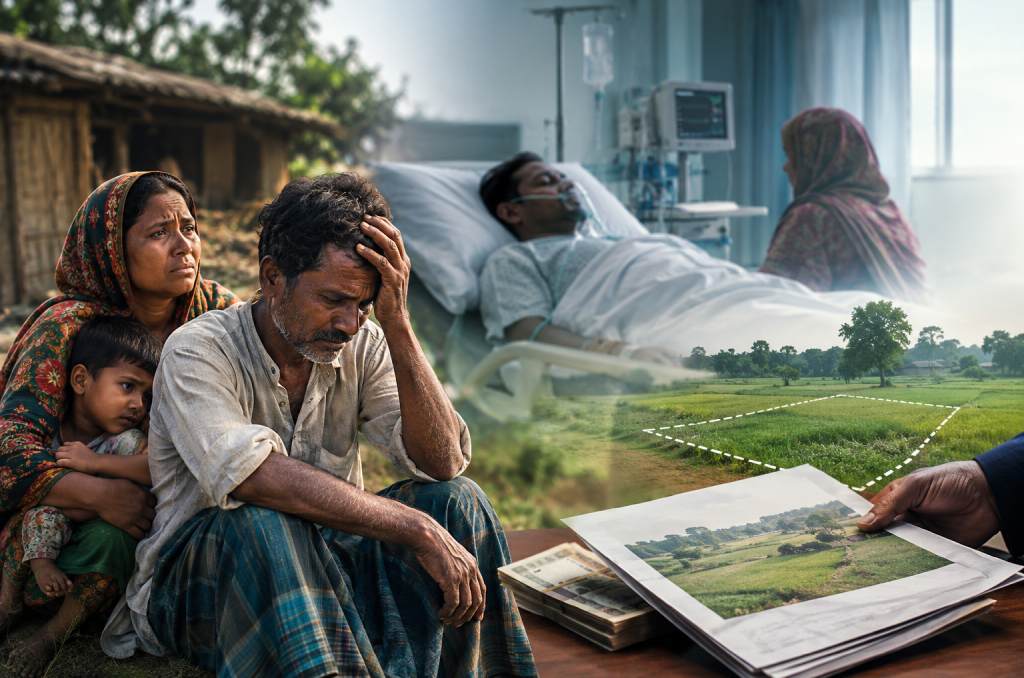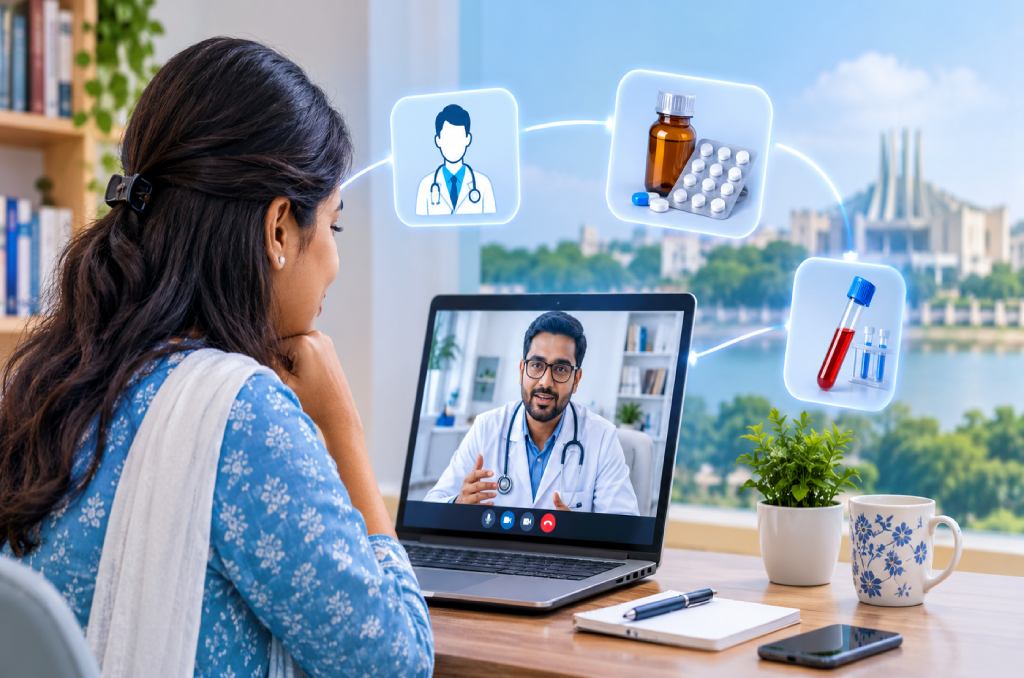
Telemedicine works best for non-emergency issues a doctor can assess without touching or examining you. An in-person visit works best when you need a physical exam, lab tests, imaging, or a procedure. Your symptoms and urgency decide the right choice.
A telemedicine service in Bangladesh can connect you with a doctor from home, but Dhaka traffic and limited specialist access outside major cities make it important to know when to use it. MediShifa explains when each option makes sense so you can choose with confidence.
Telemedicine vs. In-Person Doctor Visit: What’s the Difference?
Telemedicine lets you consult a doctor by video or phone without visiting a clinic. An in-person visit lets you meet the doctor face-to-face for a physical examination.
During a telemedicine consultation, the doctor can discuss your medical history and symptoms, observe visible signs, review test reports, and provide medical advice when appropriate.
An in-person visit allows for assessments that cannot be fully done remotely, including vital signs, hands-on physical exams, diagnostic tests, and certain procedures.
The key difference is that telemedicine provides remote assessment, while an in-person visit provides physical assessment with direct access to examination, testing, and procedures.
When Should You Choose Telemedicine?
Telemedicine fits well when your doctor already knows your case or your symptoms are mild and non-urgent. Follow-up appointments can work well online, especially when checking progress after a diagnosis.
You can also review lab or test reports through a video call. Medication questions, treatment follow-ups, and refill requests may only require a conversation, but any medication changes should follow the doctor’s clinical judgment.
Some chronic conditions, including diabetes and hypertension, can also be monitored through scheduled virtual check-ins when they are stable.
Mild concerns such as a common cold, mild allergies, or some skin problems may not require a physical examination.
Mental health consultations can also be conducted through video when remote care is appropriate.
For patients outside Dhaka and other major cities, telemedicine can shorten the distance to a specialist, since reaching one in person may require hours of travel.
Research on rural Bangladesh shows that factors such as trust, infrastructure, and access can affect the use of remote healthcare.
Telemedicine can improve access for some patients, but it does not replace every form of in-person care.
When Do You Need an In-Person Doctor Visit?
An in-person visit is more appropriate when you need a physical examination, diagnostic test, or procedure.
Some symptoms require a doctor to examine the affected area, check vital signs, or perform other assessments that cannot be completed through a screen.
For example, a suspected fracture or serious injury may require a physical examination and imaging.
Severe or rapidly worsening symptoms require prompt medical attention. Chest pain, significant breathing difficulty, sudden weakness, slurred speech, or severe abdominal pain can be warning signs of a medical emergency.
In such situations, seek appropriate emergency medical care rather than relying on a telemedicine consultation.
Procedures such as injections, wound care, or minor surgery require in-person care. Blood tests, imaging, and other diagnostic procedures may also require a visit to a clinic, hospital, or laboratory.
If a doctor recommends an in-person examination after a video consultation, follow that recommendation.
Telemedicine vs. In-Person Care: Key Factors to Consider
Choose telemedicine when travel is difficult, the concern is non-urgent, and the doctor can reasonably assess it remotely. Choose in-person care when a physical exam matters, testing is required, or symptoms need prompt in-person evaluation.
A few practical factors can help you decide:
- Cost: Telemedicine is not automatically cheaper. Fees vary by doctor, specialty, and provider.
- Time: Telemedicine can reduce travel time and clinic wait times.
- Access: Remote care can connect patients with doctors outside their immediate city.
- Assessment: Remote consultations have limitations because a doctor cannot perform every physical examination through a screen.
How Should Bangladeshis Choose Between the Two?
Start by considering how urgent the problem is and whether a physical examination may be necessary. Gather previous prescriptions, medical records, and test reports before either type of consultation.
When choosing a doctor, check that they are properly registered with the Bangladesh Medical and Dental Council (BM&DC).
Follow the doctor’s recommendation if they advise an in-person assessment after an online consultation.
For patients who need remote medical advice, a telemedicine service in Bangladesh can connect them with a doctor without requiring a clinic visit for every non-urgent concern.
This is especially useful for follow-ups, report reviews, and other consultations that can be safely handled remotely.
The Bottom Line
Telemedicine does not replace every doctor visit. It provides another way to access medical care when remote assessment is appropriate.
In-person care remains important when a physical examination, diagnostic test, procedure, or urgent assessment is needed.
Instead of using one format for every situation, match the consultation type to the health concern and follow your doctor’s clinical advice.